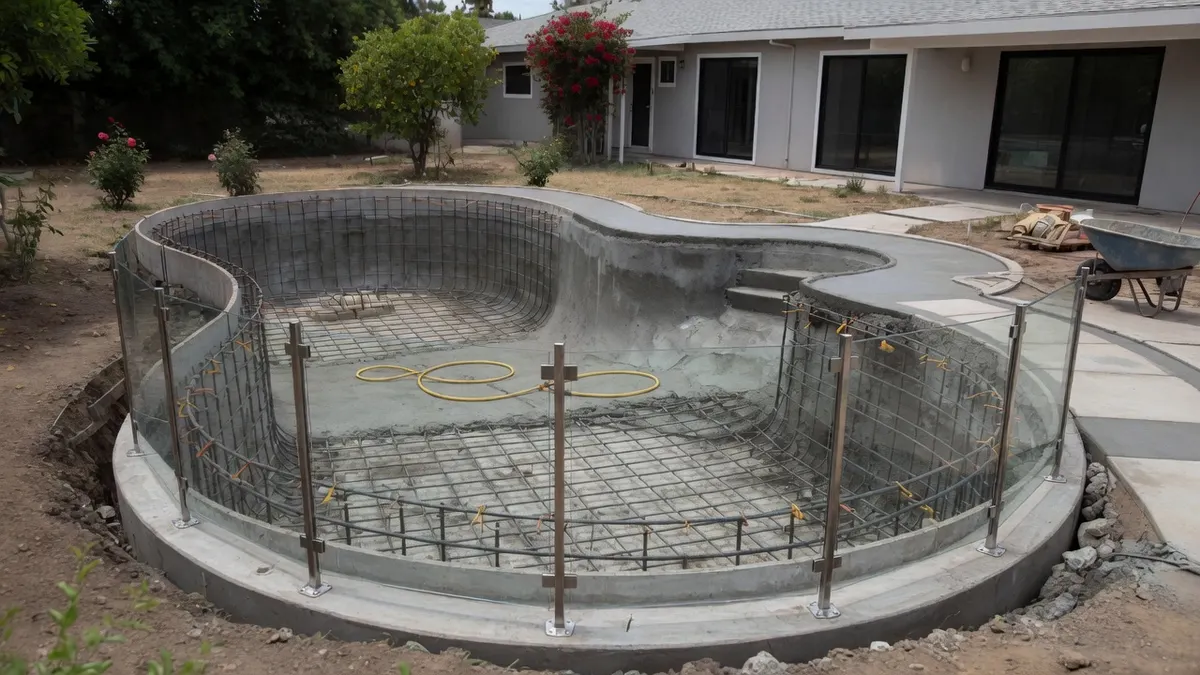
Sacramento Pool Remodel Permits & Barrier Rules Before Summer
You book a replaster quote, the contractor shows up, and somewhere around the third conversation he mentions the permit oh, and by the way, the city is going to want to see your barrier setup before they sign off. That moment, usually a week before you planned to fill the pool, is not when you want to learn about California Health and Safety Code section 115922.
The good news: the rules are not complicated if you know them ahead of time. The frustrating part is that they touch at least three different contractors pool, fence, and sometimes electrical and none of them automatically coordinates with the others. In Sacramento and the surrounding suburbs, getting that coordination right before summer is genuinely worth a couple of hours of your time.
Use this to focus your first contractor conversation; it is not a universal ranking.
What Actually Triggers the State Safety Requirements
California Health and Safety Code section 115922 is the rule most homeowners have not read. It says that when a building permit is issued for construction of a new swimming pool or spa, or for the remodeling of an existing one at a private single-family home, the pool or spa must be equipped with at least two qualifying drowning-prevention safety features before the local official signs off on final inspection. That is not a suggestion the inspector is required to verify the features before approval.
The key phrase is "remodeling." Replastering typically requires a permit. Adding a spa almost certainly does. Structural deck work often does. If your project pulls a permit, those two safety features come along for the ride whether you planned for them or not. The City of Sacramento's residential pool submittal requirements call for electronic submittal, an electrical load calculation worksheet, and plan sheets that incorporate the city's own swimming pool requirements not just a generic California template.
Qualifying safety features under the state law include things like pool fencing that meets height and gate-latch specs, a safety cover, a pool alarm, door alarms on house doors that open to the pool area, and others. You need two. If your fence is already there and code-compliant, that counts as one but it has to hold up at inspection.
The Sacramento Permit Path in Practice
For city of Sacramento properties, the process runs through the Community Development Department's Building Division. Residential pool permits require electronic submittal, which means your contractor should be set up to file through the city's portal rather than showing up with paper plans. If they are not, that is worth noting early.
The city's required-permits page also flags that proposed fencing is subject to Planning Division approval and applicable wall, fence, and gate standards which is a separate track from the building permit for the pool itself. If you are replacing a gate or adding a new section of barrier fence as part of a remodel, plan for that Planning Division review and build it into your timeline.
Roseville homeowners deal with a similar pre-application process: the Roseville Swimming Pool Requirements Packet specifically calls out fencing design and location, gate swing direction (away from the pool), and safety-act compliance for new or remodeled pools and spas. If your project is in Roseville, Folsom, or other incorporated cities nearby, check the current requirements packet for that jurisdiction the specifics are not identical. See our Sacramento area minor permits homeowner guide for a broader look at how local permit offices handle residential work.
Who Should Pull the Permit and Who Should Not Shrug It Off
This is where the multi-contractor problem shows up. A pool company may handle the structural and plumbing permit. Your fencing contractor may or may not know they need Planning Division sign-off on the gate location. An electrical contractor may need to pull a separate permit for bonding, lighting, or equipment upgrades. Nobody automatically talks to each other unless you make it happen.
For any remodel touching more than one trade, it is worth asking a general contractor to either manage the permits or at least map out who is responsible for what before work starts. You can also do this yourself with a written scope-of-work that assigns permit responsibility per trade. The risk of not doing it is real: if the fence contractor installs a gate that swings toward the pool rather than away, you will find out at final inspection after everything else is done.
For projects on the smaller side, the Sacramento home improvement permits guide has useful background on how California permit responsibilities work in general.
What a Pool Remodel Estimate Should Spell Out
An estimate that just says "replaster pool, $X" is not enough if you need a permit. A useful estimate for permitted pool work should separately address:
- The permit fee and who is responsible for filing
- Which safety features currently exist and which, if any, need to be added or upgraded to meet the two-feature requirement
- Barrier and gate work, if any spelled out as a separate line item and trade
- Electrical scope, including bonding inspection if the pool wiring will be touched
- Whether deck work is included and at what permit threshold it kicks in
See our Sacramento pool cost guide for context on typical project ranges, and the deck and patio construction costs guide if your remodel extends to the surrounding hardscape. The concrete and pool construction trade pages list licensed contractors in the Sacramento area.
Contractor Screening Questions Worth Asking
Before you sign anything, run through these with every contractor bidding the job:
- Are you licensed with the California Contractors State License Board, and what license classification covers this work? (Check at how to verify a California contractor license)
- Who is filing the permit you or your subcontractor?
- Have you reviewed the current City of Sacramento swimming pool plan review guidelines, or the applicable city packet for this address?
- What two safety features will meet the HSC 115922 requirement for this project, and which are you confirming as already code-compliant?
- If fencing or gates are in scope, are you handling the Planning Division approval or does that fall to me?
- What does your timeline assume for permit review? (Do not accept "a few days" as the answer without specifics.)
The Sacramento contractor search is a good starting point for finding licensed pool, fence, concrete, and electrical contractors in the area.
Red Flags That Will Cost You Time and Money
A couple of patterns are common enough in pool remodel contracts that they are worth naming directly:
A contractor who tells you the permit is optional for replastering or that "we handle all that" without being able to explain what "that" means is worth pressing. Permits for residential pool remodels in Sacramento are not optional when the scope meets the threshold and the inspection is where the safety feature verification happens.
Watch for estimates that lump barrier and gate work into a vague "pool area improvements" line. If new fencing or gates are part of your project and the bid does not call out planning approval separately, ask why. Also be cautious about contractors who say they will upgrade your safety features to comply but cannot tell you which two features they are relying on or whether your existing fence height will pass.
Timing matters too. Submitting plans and waiting for review takes real calendar time. If you are trying to be swim-ready by Memorial Day and you have not filed a permit by late March or early April, check current review timelines with the city before committing to a contractor schedule that assumes instant approval.
The Bottom Line
If your Sacramento pool remodel pulls a building permit and most substantial work does California Health and Safety Code section 115922 requires at least two verified drowning-prevention features at final inspection. The City of Sacramento's pool submittal process is electronic and includes specific plan sheet requirements; fencing and gate changes run through Planning Division separately. Hire pool construction and fencing contractors who can name the permit tracks they are managing, not just the work they are doing. Getting that clarity before you sign the contract is how you avoid a stopped job two weeks before summer.
Who to Hire for This Project
For the work covered in this guide, these are the contractor types to contact and the CSLB classification to verify before you take quotes:
Questions to Ask Before You Sign
- "Is your CSLB license active and bonded?" Verify it yourself at cslb.ca.gov the license number must appear on their bid.
- "Who pulls the permit, and is it included in the bid?" The contractor should handle any required permits a pro who suggests skipping one is a red flag.
- "Can you itemize labor, materials, and allowances?" Itemized bids are the only way to compare quotes on the same scope.
- "What's the payment schedule?" California caps the down payment at $1,000 or 10%, whichever is less payments should track completed work.
- "Who from this area can I call as a reference?" Ask for a recent local job of similar scope, not just photos.
Sacramento Contractors for This Project
Related Articles
Frequently Asked Questions
Does replastering a pool in Sacramento require a permit? +
In most cases, yes. The City of Sacramento requires a building permit for pool remodeling work, which includes replastering. When a permit is issued, California Health and Safety Code section 115922 requires the pool to have at least two qualifying drowning-prevention safety features verified at final inspection. Check with the city's Building Division to confirm whether your specific scope triggers a permit before you book the work.
What counts as a qualifying pool safety feature under California law? +
California Health and Safety Code section 115922 lists several options: pool fencing that meets code height and gate-latch requirements, an approved safety cover, a pool alarm, door alarms on house doors that open directly to the pool area, and a few others. You need at least two of these in place and verified by the local inspector before final approval. If you already have compliant fencing, that counts as one but it has to hold up at inspection.
Who is responsible for the pool barrier permit the homeowner or the contractor? +
The contractor pulling the building permit is typically responsible for submitting the required plans and ensuring the work passes inspection, but the homeowner is ultimately the permit holder on owner-occupied residential property. The complication with pool remodels is that barrier and gate work may involve a separate Planning Division approval track in Sacramento, which may not be the pool contractor's responsibility. Clarify in writing who is handling each permit track before work begins.
Do fence or gate replacements around a pool need a separate permit in Sacramento? +
Yes, the City of Sacramento's required-permits page notes that proposed fencing is subject to Planning Division approval and applicable wall, fence, and gate standards separate from the building permit for the pool itself. If you are replacing a gate or adding a new fencing section as part of a pool remodel, plan for that Planning Division review and build the extra timeline into your project schedule.
How far in advance should I file a pool permit to be swim-ready by summer? +
The City of Sacramento does not publish a guaranteed review timeline, and processing times vary by season and project complexity. Given that summer pool projects are heavily concentrated in the spring, it is prudent to file plans well ahead of when you need the work done ideally late winter or very early spring for Memorial Day-ready projects. Check current review times directly with the Building Division before locking in a contractor start date.
If I am adding a spa to an existing pool, does that trigger the safety feature requirements? +
Yes. California Health and Safety Code section 115922 applies when a building permit is issued for construction of a new swimming pool or spa, or the remodeling of an existing one at a private single-family home. Adding a spa to an existing pool setup is a new construction of a spa and will require a permit, which in turn triggers the two-safety-feature inspection requirement before the city will sign off.