Folsom Smart Home Wiring to Plan During a Remodel
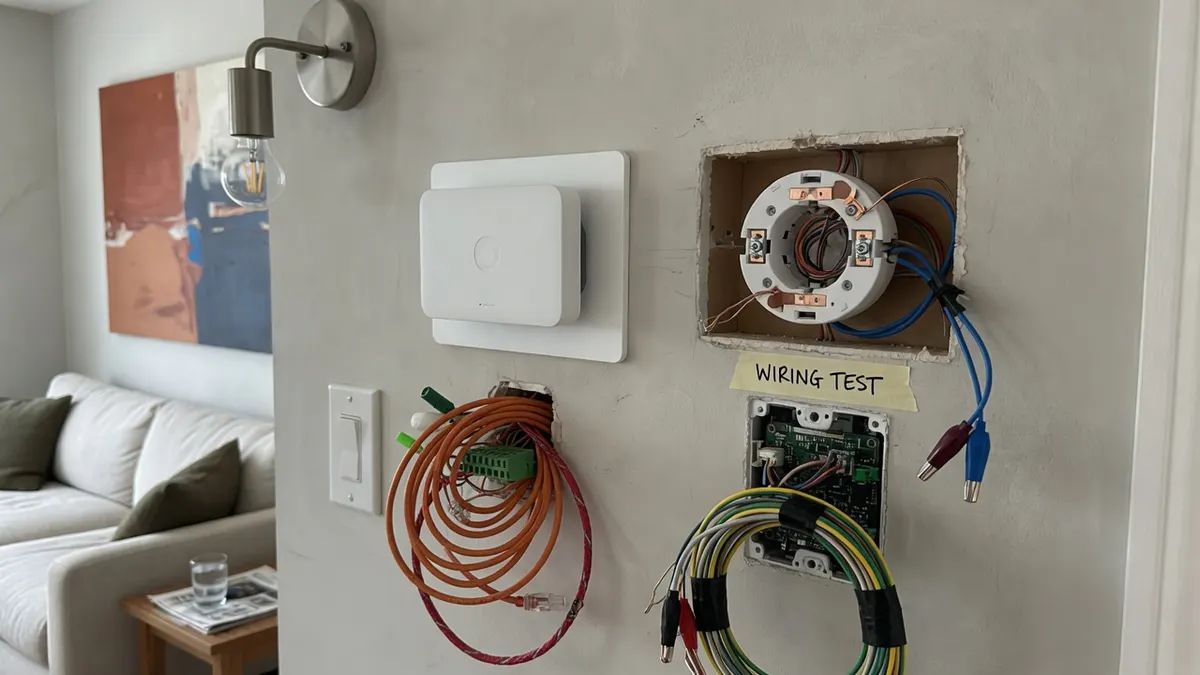
Picture a 1990s two-story near Empire Ranch with the kitchen ceiling open, the drywall stacked in the garage, and an electrician already on site. That moment, before anyone closes the walls back up, is the cheapest your smart home wiring will ever be. Folsom remodels tend to bundle things together: a kitchen refresh, a media room over the garage, a covered patio out back, maybe a home office carved out of a spare bedroom. Run the low-voltage cable while the studs are exposed and it costs you pennies on the dollar. Wait until the texture and paint are done, and every new line means cutting into finished walls and patching afterward.
What to bury in the walls while you still can
There is a difference between infrastructure and gadgets, and it is worth keeping straight. Doorbell cameras and smart switches get swapped out every few years. What does not change is the cable behind them. Pull Cat6 to every spot where you might someday want a hardwired access point, a wall-mounted tablet, a camera, or a TV. Drop power where you plan to mount things. Most of all, leave a length of empty conduit or two running from the equipment area up into the attic or down to the crawlspace.
That conduit is the part people skip and regret. It is your future-proofing. Ten years from now, whatever device replaces the gear you install today, you will be able to fish a new wire through that empty pipe instead of opening a wall. Folsom's housing stock skews newer than, say, parts of Sacramento, but even a home built in 2005 was wired for a different internet era. Plan for the one after this.
Where the money actually goes
For a smart home wiring package across the Sacramento Valley, expect to land somewhere between roughly $2,000 and $18,000. That is a wide range on purpose. A handful of network drops and a couple of camera lines sits near the bottom. Whole-house lighting control, multi-room audio, a structured wiring panel, and exterior coverage pushes toward the top.
The smartest dollars go into things that outlive trends: the conduit, the network drops, the power locations, the access point placement. Brand-name hubs and switches are the easy part to upgrade later. So when you read an estimate, do not just look at the bottom number. Look at whether it spells out materials, labor, what is excluded, who is responsible for permits, and what happens if the crew opens a wall and finds something ugly. In older homes especially, set aside a contingency. Previous owners and weekend handymen leave surprises behind drywall, and not all of it meets current code.
If two bids come back thousands apart, the answer is almost never that one electrician is just greedy. It is that they made different assumptions about scope. Compare those assumptions first. Our Folsom contractor guide is a reasonable place to start sizing up who works in your area, and you can line up licensed electrical contractors side by side from there.
The line between low-voltage and "you need a permit"
Here is the part people get wrong. Pulling network cable and speaker wire is low-voltage work and generally low-stakes. But the moment your project touches new circuits, added outlets, a subpanel, or anything tied into the home's main electrical system, you are in permit territory. Exterior cameras that run on PoE are usually fine; a new dedicated circuit for an equipment rack is not. The same goes for service upgrades if your panel is already maxed out.
California takes licensed electrical work seriously, and so should you. Any job where the labor and materials total more than $1,000 legally requires a licensed contractor. That figure trips people up because the old number was lower, but $1,000 is the current threshold. Verify your contractor's license directly through the CSLB before you sign anything, and confirm they carry liability insurance and workers' compensation. The CSLB website lets you check a license number in about thirty seconds. It is worth the minute.
When a permit is involved, the city will want an inspection. Build that into your timeline. A failed inspection is not a disaster, but a correction and re-inspection can add a week, so it pays to have a contractor who pulls permits routinely and knows the local inspectors' expectations.
Questions that separate the pros from the guessers
Before you commit, ask for a wiring diagram. A real one, showing where the equipment cabinet lives, how every drop is labeled, and where the Wi-Fi coverage will reach. Ask about surge protection for the rack, because the Valley's summer storms and grid stress are not kind to unprotected electronics. Ask to see photos of similar work and request a payment schedule tied to milestones rather than a big check up front. And ask who your single point of contact will be when a question comes up mid-job.
A contractor who communicates clearly during the bid is the one who will still pick up the phone when the crew finds something unexpected behind the wall. If your remodel is large enough that it crosses several trades, a general contractor can coordinate the electrician, the network installer, and the drywall crew so the wiring goes in before the walls close, not after. Timing across trades is where most low-voltage plans fall apart.
So before that first estimate, walk your house with a notepad. Mark every wall where you want a screen, a camera, a speaker, or an access point. Note which rooms feel like dead zones for Wi-Fi today. Rank what actually matters to how you live, then hand that list to at least three licensed pros you find through our Sacramento Valley contractor search. The goal is not the lowest bid. It is a clean scope, a wiring plan you will not have to tear open in two years, and a home that quietly does what you want it to.
Who to Hire for This Project
For the work covered in this guide, these are the contractor types to contact and the CSLB classification to verify before you take quotes:
Questions to Ask Before You Sign
- "Is your CSLB license active and bonded?" Verify it yourself at cslb.ca.gov the license number must appear on their bid.
- "Who pulls the permit, and is it included in the bid?" The contractor should handle any required permits a pro who suggests skipping one is a red flag.
- "Can you itemize labor, materials, and allowances?" Itemized bids are the only way to compare quotes on the same scope.
- "What's the payment schedule?" California caps the down payment at $1,000 or 10%, whichever is less payments should track completed work.
- "Who from this area can I call as a reference?" Ask for a recent local job of similar scope, not just photos.
Sacramento Contractors for This Project
Related Articles
Frequently Asked Questions
When is the cheapest time to run smart home wiring in a Folsom remodel? +
While the walls or ceilings are already open. Once drywall, texture, and paint are finished, every new cable means cutting into finished surfaces and patching afterward, which adds labor and mess. Coordinate the low-voltage work to happen before the drywall goes back up, ideally alongside the rest of your electrical rough-in.
How much does smart home wiring typically cost in the Sacramento Valley? +
Roughly $2,000 to $18,000, depending on scope. A few network drops and a couple of camera lines sit near the low end, while whole-house lighting control, multi-room audio, a structured wiring panel, and exterior coverage push toward the top. Pricing varies with site conditions, materials, and how much of the work requires permitted electrical changes.
Does smart home wiring in Folsom require a permit? +
Pulling low-voltage network and speaker cable usually does not. But new circuits, added outlets, a subpanel, or anything tied into the home's main electrical system does require a permit and a city inspection. Exterior PoE cameras are typically fine, while a new dedicated circuit for an equipment rack is not, so confirm scope with your electrician early.
What is the licensing threshold for hiring a contractor in California? +
Any home-improvement job where labor and materials total more than $1,000 legally requires a licensed contractor in California. The old $500 figure is outdated. For electrical work especially, hire a licensed pro and verify their license through the CSLB before signing.
How do I verify a Folsom electrician's license before hiring? +
Use the CSLB (Contractors State License Board) website to look up the contractor's license number. It takes about thirty seconds and confirms the license is active and in good standing. Also ask for proof of liability insurance and workers' compensation coverage before any work begins.
Why does empty conduit matter for future smart home upgrades? +
Empty conduit running from your equipment area to the attic or crawlspace lets you fish new wires through later without opening a wall. Even newer Folsom homes were wired for an earlier internet era, so leaving one or two empty pipes is the cheapest future-proofing you can buy during a remodel. It is the detail people skip and regret most.