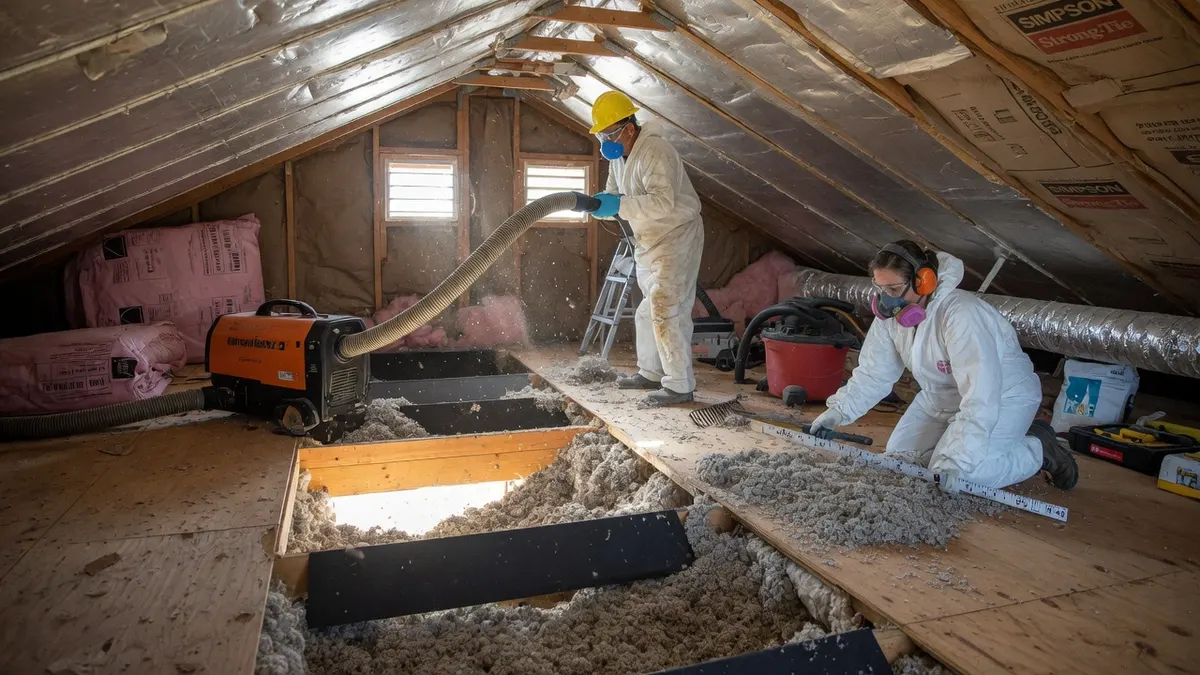
Sacramento Attic Insulation Cost Guide: R-Value, Air Sealing, and Summer Comfort
Attic insulation is one of the most practical upgrades for a Sacramento home because the problem it solves is so local and so obvious. Summer heat builds up in the attic, older ducts bake above the ceiling, bedrooms stay hotter than the thermostat suggests, and the air conditioner runs long cycles during triple digit afternoons. In winter, weak insulation can also let heated air escape quickly, especially in older ranch homes, bungalows, and additions that were insulated to older standards.
For many homeowners, the question is not whether insulation helps. The better question is what kind of attic work is actually worth paying for. A low bid that only blows new insulation over dust, rodent debris, recessed light gaps, bath fan leaks, and crushed old material may improve the R-value on paper while leaving comfort problems behind. A better scope usually combines cleanup, air sealing, proper depth, ventilation checks, and safe treatment around electrical and combustion equipment.
This guide explains realistic 2026 attic insulation costs in the Sacramento area, what R-value means, when removal is worth it, why air sealing matters, and how to compare bids without getting sold more work than your home needs.
Typical 2026 Attic Insulation Costs in Sacramento
Sacramento attic insulation pricing depends on attic size, access, existing material, contamination, air sealing, target depth, and whether ducts or ventilation need attention. For planning, many homeowners see ranges like these:
- Blown-in fiberglass or cellulose added over clean existing insulation: $1.50 to $3.50 per square foot of attic area
- Air sealing plus added blown insulation: $2.50 to $5.50 per square foot
- Old insulation removal and replacement: $4.00 to $8.50 per square foot, higher if there is heavy rodent contamination or difficult access
- Attic cleanup with sanitizing before new insulation: often $1,500 to $6,000 or more depending on severity and attic size
- Spray foam in selected assemblies: commonly much higher than blown insulation and usually needs careful building science review before use in a vented Sacramento attic
For a 1,500 to 2,000 square foot single story home, a straightforward top-off may land around $2,500 to $7,000. Removal, air sealing, and full replacement can push the project into the $6,000 to $15,000 range. Large homes, low crawl clearance, knob and tube concerns, duct repairs, pest damage, or multiple attic zones can raise the total.
These are planning numbers, not quotes. A good contractor should measure the attic, inspect existing depth, note access problems, and explain the scope in writing before giving a final number.
What R-Value Should Sacramento Homeowners Target?
R-value measures resistance to heat flow. Higher R-value means better resistance, assuming the insulation is installed correctly and not compressed, wet, displaced, or bypassed by air leaks. The federal ENERGY STAR insulation guidance is a useful starting point for understanding why attic depth and air sealing work together.
In the Sacramento region, many homeowners target roughly R-38 to R-49 for attic insulation, depending on the home, existing conditions, and the applicable energy code path for the project. Older homes may have far less than that. It is common to find attics with only a few inches of old blown material, uneven batts, gaps near eaves, or insulation pushed aside by past electrical, alarm, cable, or HVAC work.
Depth matters, but depth is not the only issue. If insulation blocks soffit vents, covers unsafe recessed lights, sits on active knob and tube wiring, or hides bathroom fans that dump moist air into the attic, the job is not done correctly. The goal is a complete attic system, not just a fluffy number on a receipt.
Why Air Sealing Comes Before More Insulation
Air sealing is the unglamorous step that often separates a useful insulation project from a mediocre one. Warm air can move through ceiling penetrations around plumbing stacks, electrical boxes, recessed lights, attic hatches, dropped soffits, bath fans, chimney chases, and top plates. In summer, that leakage can pull hot attic air into the house or let conditioned air escape into the attic. In winter, it can carry indoor moisture upward.
Blowing insulation over leaks slows heat transfer but does not reliably stop air movement. Before adding new material, ask whether the contractor will seal accessible penetrations with appropriate foam, caulk, sheet metal, fire-rated materials, or weatherstripping depending on the location. Ask specifically about the attic hatch or pull-down stair, because that opening is often one of the biggest weak spots.
Air sealing is especially important in Sacramento homes with older recessed can lights. Some fixtures are not rated to touch insulation. Others may need covers or replacement with safer, airtight fixtures. The contractor should identify these conditions before burying them.
Remove Old Insulation or Add Over It?
Not every attic needs full removal. If the existing insulation is dry, clean, evenly spread, and free of pest contamination, topping it off may be the best value. The contractor can correct gaps, preserve ventilation paths, air seal accessible leaks, and add enough blown material to reach the target depth.
Removal becomes more reasonable when the attic has rodent droppings, urine odor, dead animals, mold concerns, water damage, fire damage, heavy construction debris, or insulation so disturbed that it cannot be corrected properly. Removal can also be useful before a major air sealing job because it exposes ceiling penetrations and top plates.
Be wary of scare tactics. Some sales pitches treat any old insulation as hazardous by default. Old material may be dusty and unpleasant, but that does not automatically mean it must be removed. On the other hand, do not ignore real contamination. If there is rodent activity, fix entry points before installing new insulation or the problem can return quickly.
Attic Ventilation and Sacramento Heat
Insulation reduces heat transfer through the ceiling, but attic ventilation still matters. Most vented attics need a working path for outdoor air to enter low and exit high. Problems happen when blown insulation blocks soffit vents, when ridge or gable ventilation is inadequate, or when past roof work changed the attic airflow.
Ventilation is not a substitute for insulation, and more vents are not always the answer. The contractor should look for blocked intake areas, missing baffles, bathroom fans exhausting into the attic, disconnected ducts, and signs of roof leaks. If a roofing project is coming soon, coordinate insulation and ventilation decisions with the roof scope so the two projects do not fight each other.
Sacramento homeowners with ducts in the attic should also ask about duct condition. Leaky, poorly insulated, or crushed ducts can waste a lot of cooling energy even after attic insulation is improved. An insulation contractor may not be licensed for HVAC duct replacement, so clarify who is responsible if duct problems are found.
Rebates, Codes, and Permits
Basic attic insulation replacement may not always require a building permit, but rules can vary by jurisdiction and project scope. Electrical corrections, mechanical duct changes, roof ventilation changes, and larger energy upgrades can trigger additional requirements. Homeowners in the City of Sacramento can start with the City of Sacramento building division, while unincorporated county properties can check Sacramento County building permits and inspection services.
Rebates can change during the year. Sacramento homeowners served by SMUD should review current SMUD residential rebates, and PG&E customers should check current efficiency programs before signing. Some incentives require approved contractors, specific equipment, pre-approval, or documentation after completion. Do not assume a rebate applies until you verify the current rules.
California energy standards can also affect remodels and additions. If attic insulation is part of a permitted remodel, addition, reroof, HVAC replacement, or electrification project, ask the contractor how the insulation scope fits the required compliance documents.
How to Compare Attic Insulation Bids
A useful bid should include more than a total price. Ask each contractor to list:
- Existing insulation type and approximate depth
- Whether removal is included or excluded
- Target R-value and installed depth
- Insulation material and manufacturer specifications
- Air sealing scope and attic hatch treatment
- Vent baffles, soffit protection, and ventilation notes
- Treatment around recessed lights, flues, chimneys, and wiring
- Cleanup, disposal, and access protection
- Warranty terms and any rebate paperwork support
Also verify license status through the official Contractors State License Board. Insulation work may involve specialty or general building licensing depending on the exact scope, and related electrical, HVAC, pest, or roofing work may require different licensed trades. Make sure the written contract matches the company name and license record.
Bottom Line
Attic insulation is a strong Sacramento upgrade when it is scoped correctly. The best projects usually start with diagnosis, not a sales script. Measure what is there, fix obvious air leaks, protect ventilation, handle contamination honestly, and add insulation to an appropriate target depth.
If the attic is clean and underinsulated, a top-off with air sealing can be a cost-effective comfort improvement. If the attic has pests, moisture, unsafe fixtures, disconnected ducts, or blocked vents, those issues should be addressed before new material goes in. Compare bids by scope, not just by bags of insulation, and keep documentation for rebates, future buyers, and any related remodel work.
Browse Sacramento-area insulation contractors for attic upgrade help, HVAC contractors for duct or comfort issues, roofing contractors for ventilation or roof-related attic concerns, and local contractor listings in Sacramento, Elk Grove, Roseville, Folsom, and nearby communities.
For related planning, see our home improvement permits guide, Sacramento home maintenance checklist, HVAC replacement guide, and California contractor license verification guide.
Who to Hire for This Project
For the work covered in this guide, these are the contractor types to contact and the CSLB classification to verify before you take quotes:
Questions to Ask Before You Sign
- "Is your CSLB license active and bonded?" Verify it yourself at cslb.ca.gov the license number must appear on their bid.
- "Who pulls the permit, and is it included in the bid?" The contractor should handle any required permits a pro who suggests skipping one is a red flag.
- "Can you itemize labor, materials, and allowances?" Itemized bids are the only way to compare quotes on the same scope.
- "What's the payment schedule?" California caps the down payment at $1,000 or 10%, whichever is less payments should track completed work.
- "Who from this area can I call as a reference?" Ask for a recent local job of similar scope, not just photos.
Sacramento Contractors for This Project
Related Articles
Sacramento Attic Insulation and Air Sealing Guide: Costs, Rebates, Ducts, Venting, and Summer Comfort
August 9, 2026
Sacramento Attic Insulation and Air Sealing Guide: Costs, Rebates, Comfort, and Contractor Questions
August 5, 2026
Arden Arcade Mini-Split Installation: Permits & Summer Cooling
July 18, 2026
Frequently Asked Questions
How much does attic insulation cost in Sacramento? +
A clean attic insulation top-off often ranges from about $1.50 to $3.50 per square foot. Air sealing, removal, cleanup, difficult access, pest contamination, and full replacement can raise the project to $4.00 to $8.50 per square foot or more.
What R-value should I use for a Sacramento attic? +
Many Sacramento homeowners target roughly R-38 to R-49 in the attic, depending on the home and project scope. Existing depth, air sealing, ventilation, code requirements, and rebate rules should all be considered before choosing the final target.
Should old attic insulation be removed before adding new insulation? +
Not always. Clean, dry, evenly spread insulation can often be topped off after air sealing. Removal is more useful when there is rodent contamination, water damage, odors, heavy debris, fire damage, or when the old material prevents proper air sealing.
Does attic insulation help Sacramento summer cooling costs? +
Yes, when it is installed with good air sealing and ventilation. It reduces heat transfer from the attic into living space, which can improve comfort and reduce air conditioner runtime, especially during long Sacramento heat waves.