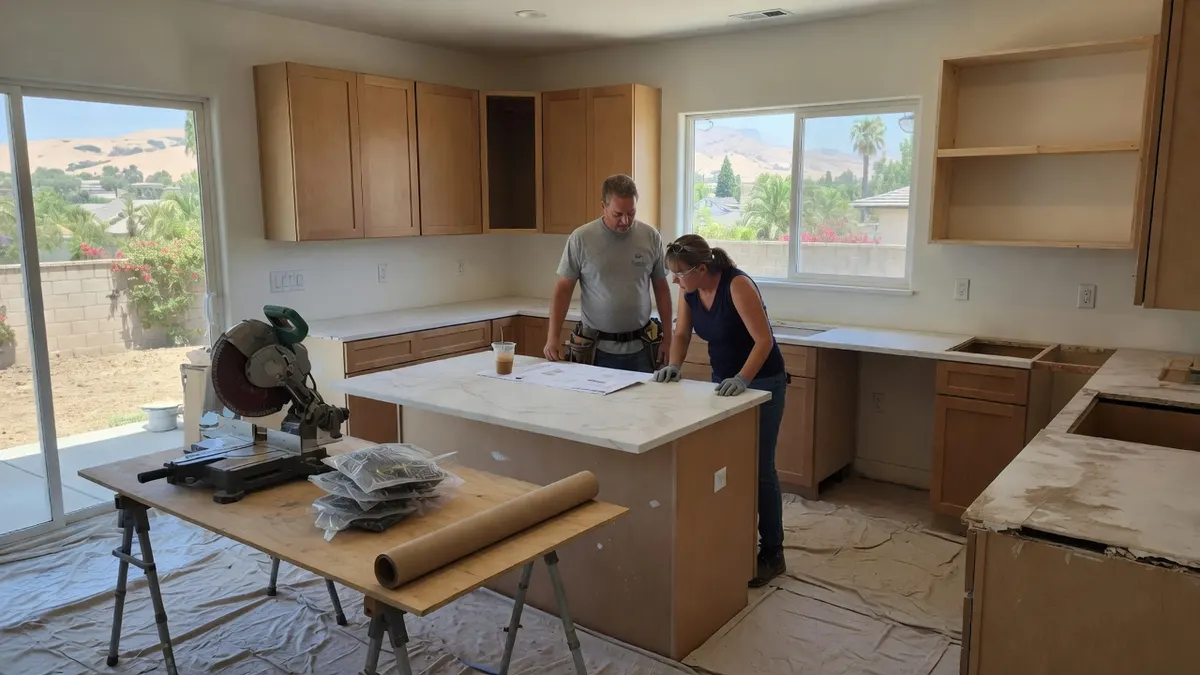
Woodland Kitchen Refreshes on a Sensible Budget
The 1940s bungalows around Beamer Park and the ranch homes off Gibson Road tend to share a quirk: kitchens that work fine but look like they last got attention during a Clinton-era weekend. The cabinet boxes are often solid oak or maple, the footprint is reasonable, and the only real crime is the laminate counter and a single sad ceiling light. If that describes your kitchen, you probably don't need a gut job. You need a refresh, and in Woodland that distinction can mean the difference between a $15,000 project and a $60,000 one.
A refresh keeps the existing layout and plumbing where they are. You improve surfaces, storage, light, and the things you touch every day, without tearing into walls or relocating the sink. Done thoughtfully, it reads as a brand-new kitchen to a buyer or a dinner guest, but it spares you the demolition, the permits, and the six weeks of takeout.
When refacing beats ripping out
The first decision usually comes down to the cabinets, because they eat the biggest share of any kitchen budget. Pull open a door and look at the box itself. If the frames are square, the hinges still hold, and there's no swelling at the base from an old leak, those boxes are worth saving. Refacing or repainting them, then swapping doors and hardware, gives you most of the visual punch for a fraction of full replacement.
When I walk a kitchen with a homeowner, cabinets are where I want the biggest budget line, followed by counters, then lighting, backsplash, and flooring in roughly that order. Counters earn their cost through daily use. Lighting is the cheapest dramatic upgrade in the room, and adding under-cabinet LEDs plus a couple of recessed cans changes how the whole space feels after dark. Browse cabinet refacing options before you assume the old boxes have to go, and compare them against full kitchen remodel bids so you're choosing with real numbers.
What a Woodland refresh actually runs
Across the Sacramento Valley, a kitchen refresh typically lands somewhere between $12,000 and $45,000. That's a wide band on purpose. The low end is paint-and-counters territory: refinished cabinets, new quartz or butcher-block surfaces, updated lighting, and a tile backsplash. The upper end usually means new cabinet doors throughout, stone counters, new flooring tied into the rest of the house, and a few finish upgrades that add up faster than people expect.
Where Woodland homes throw curveballs is behind the walls. A lot of the older housing stock has been remodeled at least once, sometimes by a previous owner with more ambition than permits. When the demo opens up a 1950s wall, you occasionally find aluminum wiring, a sink drain that doesn't quite meet current code, or framing someone notched a little too enthusiastically. Set aside roughly ten to fifteen percent as a contingency so a surprise doesn't derail the whole plan. Any estimate worth trusting will spell out materials, labor, allowances, exclusions, who pulls permits, and which decisions can swing the price.
Reading two bids that don't match
Homeowners get rattled when one quote comes in at $18,000 and the next at $34,000 for what sounds like the same kitchen. Cheaper is not automatically the deal. Before you assume anything, line up the assumptions side by side. Is one bid using a stock cabinet door and the other a custom paint-grade? Did one include the backsplash tile and the other leave it as an allowance? Is permit responsibility baked in or quietly excluded?
The most useful estimate is rarely the shortest one. A vague half-page quote usually means the surprises get billed later as change orders. Insist that every change order, once the work starts, come in writing with a price, a schedule impact, and the reason for it. That single habit prevents most of the disputes I've seen between owners and crews.
Verifying the contractor before a dollar moves
Here's the part too many people skip. In California, any home-improvement job where labor and materials total $1,000 or more requires a contractor licensed by the CSLB. That threshold is $1,000, not the old $500 figure that still floats around online, so a kitchen refresh of any size sits well past it. Take thirty seconds at cslb.ca.gov, type in the contractor's license number, and confirm it's active and in the right classification. While you're there, check that workers' compensation coverage is current, because if it lapsed and someone gets hurt in your kitchen, that can land on you.
Most refreshes that leave plumbing and electrical in place stay light on permits. The moment you add circuits, move the sink, or touch anything structural, though, you're into permit-and-inspection territory, and Woodland's building department will want licensed electrical and plumbing trades on those portions. If your job brushes up against electrical work, make sure the contract names who handles the application, the inspection, and any corrections. Timing helps too: interior kitchen work schedules more easily in the cooler shoulder seasons, since spring and summer crews around here get pulled toward exterior and HVAC jobs.
Getting from idea to shortlist
Spend an evening doing the unglamorous prep. Walk your kitchen with your phone, photograph what bugs you, and write down the actual problems in order of importance, dim corner, no counter space by the stove, doors that no longer close flush. Rank them. That list becomes the spine of every estimate conversation and keeps a salesperson from steering you toward line items you never wanted.
When you're ready, pull at least three licensed bids and compare scope, not just the bottom number. Start with the Woodland contractor guide to see who works locally, then use the contractor search to build your shortlist. The win isn't the lowest price; it's a clean scope, an honest contingency, and a kitchen that still feels right five years from now in the home you actually live in.
Who to Hire for This Project
For the work covered in this guide, these are the contractor types to contact and the CSLB classification to verify before you take quotes:
Questions to Ask Before You Sign
- "Is your CSLB license active and bonded?" Verify it yourself at cslb.ca.gov the license number must appear on their bid.
- "Who pulls the permit, and is it included in the bid?" The contractor should handle any required permits a pro who suggests skipping one is a red flag.
- "Can you itemize labor, materials, and allowances?" Itemized bids are the only way to compare quotes on the same scope.
- "What's the payment schedule?" California caps the down payment at $1,000 or 10%, whichever is less payments should track completed work.
- "Who from this area can I call as a reference?" Ask for a recent local job of similar scope, not just photos.
Sacramento Contractors for This Project
Related Articles
Frequently Asked Questions
How much does a kitchen refresh typically cost in Woodland? +
Across the Sacramento Valley, a kitchen refresh usually runs between roughly $12,000 and $45,000, depending on whether you reface or replace cabinets, the counter material, and how much lighting and flooring you include. The low end covers paint, new surfaces, and lighting on the existing layout; the upper end adds new cabinet doors throughout and stone counters. Budget another ten to fifteen percent for surprises common in older Woodland homes.
Is it cheaper to reface cabinets or replace them entirely in an older Woodland kitchen? +
Refacing is almost always cheaper if the existing cabinet boxes are structurally sound, which is often the case in Woodland's mid-century and older homes built with solid hardwood frames. You keep the boxes, swap doors and hardware, and repaint or reface, getting most of the visual change for a fraction of full replacement. Replacement only makes sense when the boxes are water-damaged, sagging, or the layout itself needs to change.
Do I need a permit for a kitchen refresh in Woodland? +
A cosmetic refresh that keeps plumbing and electrical in place usually needs little or no permit. The moment you add electrical circuits, relocate the sink, or touch anything structural, Woodland's building department will require permits, inspections, and licensed trades for that work. Confirm in your contract who handles the permit application, inspections, and any corrections before signing.
How do I verify a contractor is licensed for kitchen work in California? +
Any home-improvement job totaling $1,000 or more in combined labor and materials requires a contractor licensed by the CSLB, so every kitchen refresh qualifies. Look up the license number at cslb.ca.gov to confirm it's active and in the proper classification. While you're there, verify that workers' compensation coverage is current, since an injury on an uninsured crew can become your liability.
Why are two kitchen bids for the same Woodland project so far apart? +
Wide gaps almost always come from different assumptions rather than one contractor simply being cheaper. One bid might use stock cabinet doors while the other quotes custom paint-grade, or one includes backsplash tile while the other lists it as an allowance. Compare materials, exclusions, allowances, and permit responsibility line by line before deciding, and treat a vague, ultra-short quote as a sign that surprises will be billed later.
When is the best time to schedule a kitchen refresh in Woodland? +
Interior kitchen work is easiest to book during the cooler shoulder seasons of fall and late winter. Spring and summer pull local crews toward exterior projects, roofing, and HVAC, so scheduling can tighten then. Whenever you book, confirm material lead times up front, since counters and cabinet doors can take weeks to arrive even when the labor is ready to go.