Woodland Historic Home Renovation Without Losing Character
Drive down Dead Cat Alley or wander the blocks near Woodland's Stephens Library and you start to notice the bones: deep front porches, leaded glass, narrow-profile wood siding, and trim no lumberyard sells anymore. A lot of these houses went up between the railroad boom and the 1930s, back when downtown Woodland was one of the wealthiest small towns in California. They have aged into something a brand-new build can't fake. The trick to renovating one is resisting the urge to make it look new. You're really after a house that's warmer in January, cooler during a 105-degree July, and safer behind the walls, without sanding off the personality that made you want it in the first place.
Start with what you can't see, not the kitchen
It's tempting to open with the fun stuff: the kitchen, the bathroom, the paint colors. On an older Woodland home, the smarter first move is to look behind the plaster. Houses from this era often hide knob-and-tube wiring remnants, galvanized supply lines that have been quietly closing up for decades, undersized electrical panels, and a raised foundation that may have settled or grown some dry rot near the mudsill. None of that shows up in a listing photo, but all of it shapes how invasive your project needs to be.
A renovation that fixes the dangerous and the failing first, then layers the cosmetic work on top, almost always ages better than one that does it backwards. Ask any prospective contractor to walk the crawlspace and the attic with you and narrate what they find. If they shrug off the systems and only want to talk finishes, that tells you something.
Repair beats replace more often than you'd think
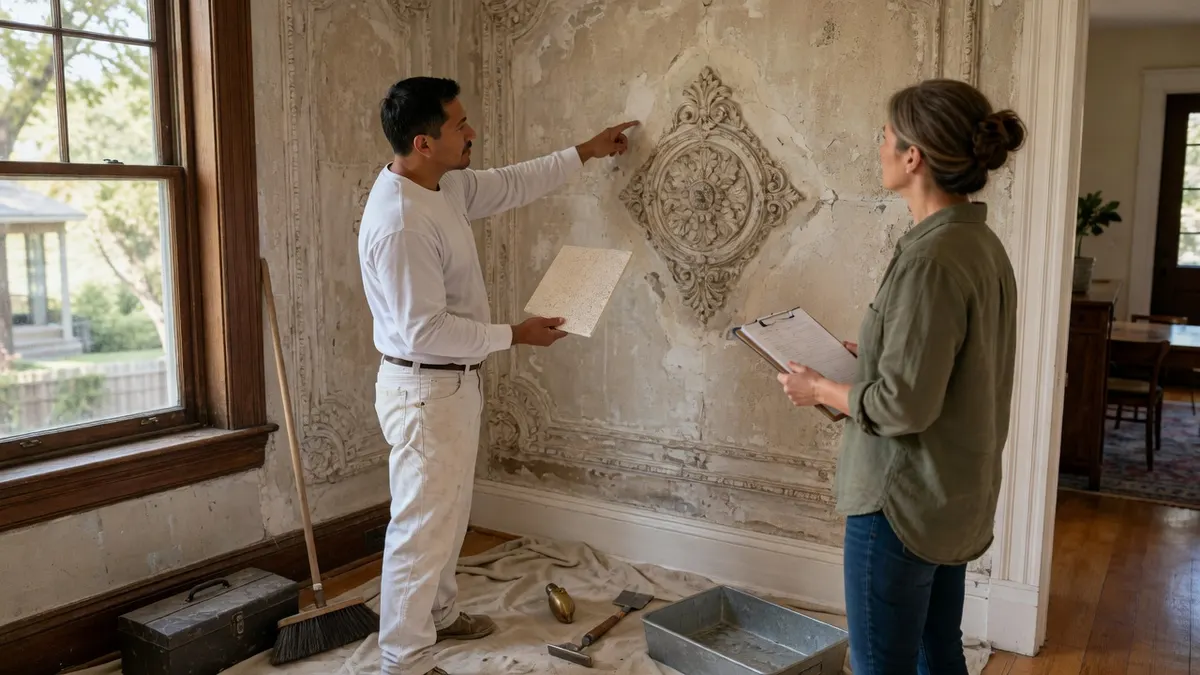
There's a reflex to rip out everything original and start fresh. With these homes, that reflex usually costs you both money and character. Old-growth wood windows, for instance, were milled from denser timber than anything modern, and a good carpenter can re-glaze, re-rope, and weatherstrip them for a fraction of full replacement while keeping the wavy glass that gives the house its eyes. The same goes for plaster: matching the texture and patching is often cheaper and quieter than gutting walls to drywall.
If you do need new work, siding and trim should be chosen to match existing profiles, not whatever's stocked at the big box store. A contractor who's comfortable salvaging and matching, rather than defaulting to demolition, is worth holding onto.
What the numbers actually look like around here
Be ready for a wide range. A historic home renovation in the Sacramento Valley commonly lands anywhere from roughly $25,000 for focused work up past $150,000 for a whole-house effort, and preservation-minded jobs tend to sit on the higher end of comparable square footage. The reason is simple: careful demolition is slow, and repair skills cost more than swing-a-sledgehammer labor. Budget a real contingency too, typically 15 to 20 percent, because something behind those old walls will surprise you. It always does.
When you compare bids, the cheapest one isn't automatically the best deal. A useful estimate spells out materials, labor, allowances, exclusions, who's responsible for permits, cleanup, and warranty terms. If two quotes are thousands apart, the gap usually lives in the assumptions, not the contractor's greed. Read those line items before you decide anyone is overcharging. When you're ready to gather a few, the Sacramento Valley contractor search is a faster way to build a shortlist than driving around looking at yard signs.
Licensing and permits in California, plainly stated
In California, any home improvement job where labor plus materials runs $1,000 or more legally requires a contractor licensed by the CSLB. That threshold is lower than a lot of homeowners assume, and it sweeps in nearly every real renovation. Before you sign anything, look the license up yourself on the CSLB website, confirm it's active and matches the company name, and check that they carry both general liability insurance and workers' compensation. That last one matters more on a crawlspace-heavy old house, where someone is genuinely working in a tight, awkward space.
Permits are their own conversation in Woodland. Electrical upgrades, structural repairs, foundation work, and exterior changes can all trigger plan review, and if your block falls under any historic overlay, altering the street-facing exterior may need extra sign-off. Sort that out before you order windows, doors, or porch lumber, not after they're sitting in your driveway. Inspections will happen at framing, rough electrical, and rough plumbing stages, so build that rhythm into your schedule rather than treating it as a delay.
Hire someone who's done it before
Old houses punish generalists. Ask any general contractor you're considering for photos of comparable older-home projects, specifically work where they preserved original detail rather than boxing it over. Ask how they protect existing trim during demolition, how they handle lead-safe practices on pre-1978 paint, and what their plan is when they open a wall and find something unexpected. The honest answer involves a change-order process: a written note covering the new price, the schedule hit, and the reason. Vague reassurance is a yellow flag.
Timing helps too. Spring and early summer are crowded for roofing, exterior, and concrete crews across the valley, so an interior-heavy remodel can sometimes schedule more easily in the cooler shoulder months, though material lead times don't care about the calendar.
The most productive thing you can do before that first estimate is unglamorous: walk your house with a notebook, photograph every problem, and rank what actually bothers you about living there. Then put three licensed, experienced contractors in front of the same prioritized list and compare how they respond. If you want a sense of how requirements shift when a project edges toward another jurisdiction, the Woodland city guide and neighboring Davis page are worth a look. The aim isn't the lowest number on the page. It's a clear scope, fewer nasty surprises, and a hundred-year-old house that's ready for the next stretch without forgetting where it came from.
Who to Hire for This Project
For the work covered in this guide, these are the contractor types to contact and the CSLB classification to verify before you take quotes:
Questions to Ask Before You Sign
- "Is your CSLB license active and bonded?" Verify it yourself at cslb.ca.gov the license number must appear on their bid.
- "Who pulls the permit, and is it included in the bid?" The contractor should handle any required permits a pro who suggests skipping one is a red flag.
- "Can you itemize labor, materials, and allowances?" Itemized bids are the only way to compare quotes on the same scope.
- "What's the payment schedule?" California caps the down payment at $1,000 or 10%, whichever is less payments should track completed work.
- "Who from this area can I call as a reference?" Ask for a recent local job of similar scope, not just photos.
Sacramento Contractors for This Project
Related Articles
Frequently Asked Questions
Do I need a special permit to renovate an older home in Woodland's historic areas? +
It depends on what you're changing. Interior cosmetic work usually doesn't trigger historic review, but altering a street-facing exterior, such as windows, siding, or porch details, can require extra sign-off if your property falls under a historic overlay. Electrical upgrades, foundation repair, and structural work typically need standard building permits and inspections regardless. Confirm the requirements with the City of Woodland before ordering materials.
What does a historic home renovation typically cost in the Woodland and Sacramento Valley area? +
Costs vary widely with scope, but a realistic range is roughly $25,000 for focused projects up past $150,000 for whole-house work. Preservation-minded renovations often run higher per square foot because careful demolition is slow and repair skills cost more than basic labor. Set aside a contingency of about 15 to 20 percent for the hidden conditions older homes inevitably reveal.
Should I replace or repair the original wood windows in my old Woodland house? +
Repair is often the better value. Original windows were milled from denser old-growth wood than modern stock, and a skilled carpenter can re-glaze, re-rope, and weatherstrip them while preserving the historic glass. That usually costs less than full replacement and keeps the home's character intact. Replace only when the frames are too far gone to restore.
How do I verify a contractor is properly licensed for work in California? +
Look up the contractor on the CSLB website and confirm the license is active and matches the company name. In California, any home improvement job costing $1,000 or more in combined labor and materials legally requires a CSLB-licensed contractor. Also verify they carry general liability insurance and current workers' compensation coverage, which matters especially for crawlspace and structural work on older homes.
What hidden problems are common in older Woodland homes? +
Homes from Woodland's railroad-era and early 20th-century building boom often hide knob-and-tube wiring remnants, aging galvanized plumbing, undersized electrical panels, and dry rot near the foundation mudsill. Plaster walls and raised foundations are common too. These conditions aren't visible in a walkthrough, so have your contractor inspect the crawlspace and attic before finalizing scope and budget.
When is the best time of year to schedule a renovation in the Sacramento Valley? +
Spring and early summer are the busiest stretch for roofing, exterior, and concrete crews across the valley, so those trades book up fast. An interior-focused remodel can often be scheduled more easily in the cooler shoulder months of fall and late winter. Keep in mind that material lead times stay consistent year-round, so order custom items early regardless of season.