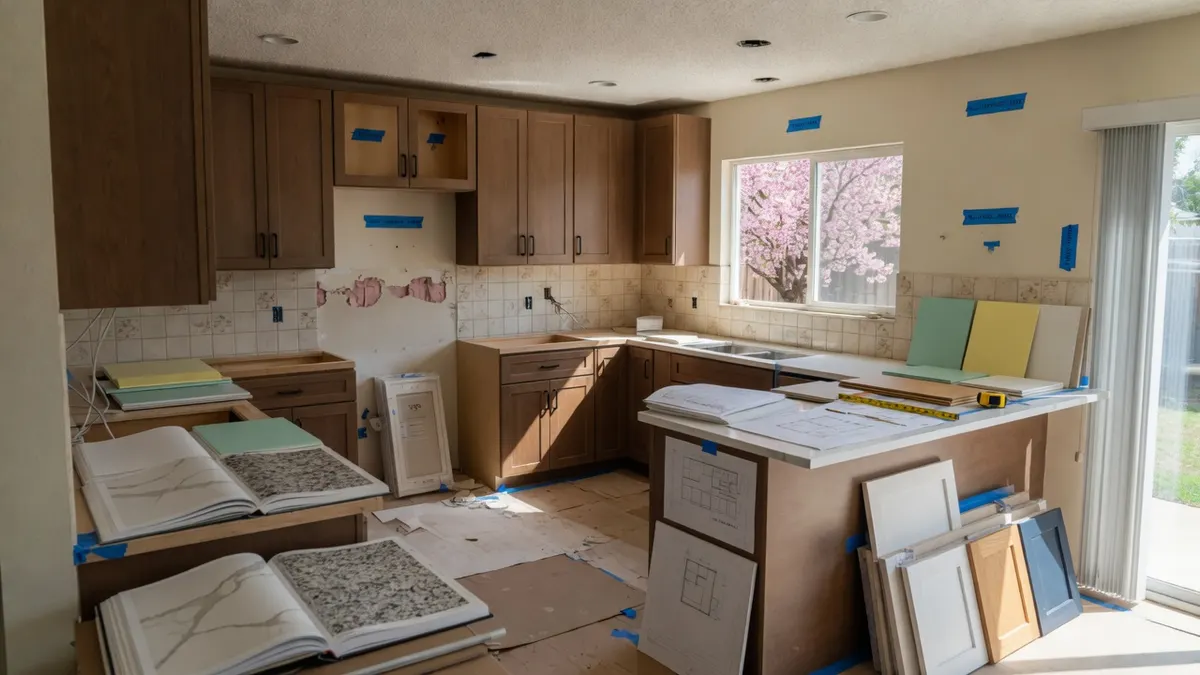
Spring Kitchen Remodel Planning for Sacramento Homes
The first warm Saturday in March, half of Sacramento seems to throw open the kitchen windows for the first time since the tule fog rolled in. That's usually when the cramped galley layout or the builder-grade cabinets in a Natomas tract home start to feel intolerable. Spring is a logical moment to plan a kitchen overhaul, but the planning that happens now decides whether your crew is demoing in June or whether you're still picking tile in August. Here's how to use the season to your advantage.
Start with how you cook, not what you'll buy
The best remodels in this area don't begin with a Pinterest board of marble counters. They begin with a blunt inventory of where your current kitchen fails: the corner cabinet you can't reach, the single outlet by the toaster, the island that's too small to actually sit at. An East Sacramento bungalow from the 1920s has different bones than a Pocket or Greenhaven home built sixty years later, and the fixes are different too.
Older neighborhoods like Land Park and Curtis Park frequently need an electrical panel upgrade before a modern induction range or a wall of LED under-cabinet lighting is even feasible. Newer Natomas and Elk Grove builds usually have the capacity but suffer from cheap finishes and awkward layouts. Walk your kitchen with a notepad and rank the problems before you talk to anyone. A good kitchen remodel contractor will ask about your cooking habits and your house's age before quoting a number, not after.
What a Sacramento Valley kitchen actually runs
Let's talk money plainly. A full kitchen remodel in the Sacramento region typically lands somewhere between $35,000 and $95,000, and the spread is wide for a reason. The single fastest way to blow the budget is to fall in love with finishes before the layout is locked. Cabinets, counters, backsplash, lighting, and flooring all hinge on where the appliances and plumbing rough-ins end up. Settle the floor plan first; price the pretty stuff second.
Build in a contingency, too, especially in older homes. When a crew opens up a 1940s wall in Tahoe Park, they sometimes find knob-and-tube wiring, a patchwork of previous "improvements," or a drain line that doesn't meet current code. Setting aside roughly ten to fifteen percent for the unknowns keeps a surprise from becoming a crisis. And when you compare bids, read the assumptions, not just the bottom line. The most useful estimate spells out materials, labor, allowances, exclusions, permit responsibility, cleanup, and warranty. If two quotes are thousands apart, the difference is almost always hiding in what each one left out.
The licensing check most homeowners skip
In California, any home improvement job where labor plus materials exceeds $1,000 legally requires a contractor licensed by the Contractors State License Board. A kitchen remodel clears that threshold many times over, so this isn't optional. Before you sign anything, look up the contractor's license number on the CSLB website, confirm it's active, and verify they carry both liability insurance and workers' compensation. That last one matters more than people realize: if an uninsured worker gets hurt in your kitchen, you can end up on the hook.
Pay special attention to the trades that have to be licensed and permitted. If your remodel moves a gas line, adds circuits, or relocates the sink, the electrical and plumbing work needs to be done by licensed pros and signed off by an inspector. Don't let a handyman talk you into "saving money" on panel work. It's a safety and resale liability you'll inherit.
Permits and the City of Sacramento timeline
Cosmetic refreshes, swapping a faucet, repainting cabinets, dropping in a new countertop on the existing footprint, generally don't require a permit. The moment you change plumbing, electrical, gas, ventilation, or move a wall, you're in permit territory. In the City of Sacramento and across most Valley jurisdictions, that means plan review, a permit fee, and inspections at rough-in and final.
This is where spring timing cuts both ways. Permit offices and good contractors get busier as the weather warms, and exterior trades like roofing and concrete dominate their spring calendars. Interior kitchen work can sometimes be easier to slot into a shoulder season, but cabinet lead times, often six to ten weeks for semi-custom lines, don't care what month it is. Order early. If you're planning a holiday-season finish, the realistic start is now. Note too that requirements differ by jurisdiction: a project in Elk Grove or Roseville may follow a slightly different permit path than the same job inside Sacramento city limits, so confirm which office governs your address.
Questions worth asking before the deposit clears
When you sit down with each bidder, get specific. Ask what's included in demolition and debris haul-off. Ask how they'll protect the rest of your house from dust, and whether they'll set up a temporary kitchen. Ask for the cabinet lead time in writing, who pulls the permits, and how change orders get documented, every change should carry a price, a schedule impact, and a reason, in writing. Request photos of recent kitchens and a payment schedule tied to real progress milestones, never a large deposit up front. A contractor who communicates clearly before the job starts is the one most likely to communicate when a wall opens up and something unexpected stares back.
When you're ready to move, walk the kitchen one more time with your phone, photograph every problem area, and write your priorities in order from must-have to nice-to-have. Then line up at least three licensed bidders through our contractor search and compare them on scope, not just price. The win here isn't the cheapest number on the page; it's a clean, well-documented project that fits the way your household actually cooks, lives, and gathers, finished before the next round of tule fog rolls in.
Who to Hire for This Project
For the work covered in this guide, these are the contractor types to contact and the CSLB classification to verify before you take quotes:
Questions to Ask Before You Sign
- "Is your CSLB license active and bonded?" Verify it yourself at cslb.ca.gov the license number must appear on their bid.
- "Who pulls the permit, and is it included in the bid?" The contractor should handle any required permits a pro who suggests skipping one is a red flag.
- "Can you itemize labor, materials, and allowances?" Itemized bids are the only way to compare quotes on the same scope.
- "What's the payment schedule?" California caps the down payment at $1,000 or 10%, whichever is less payments should track completed work.
- "Who from this area can I call as a reference?" Ask for a recent local job of similar scope, not just photos.
Sacramento Contractors for This Project
Related Articles
Frequently Asked Questions
How much does a kitchen remodel cost in the Sacramento area? +
A full kitchen remodel in the Sacramento Valley typically runs between $35,000 and $95,000, depending on the size of the kitchen, the finish level, and whether you move plumbing or electrical. Older homes in neighborhoods like East Sacramento or Land Park can cost more because they often need panel upgrades or rewiring first. Set aside roughly 10 to 15 percent as a contingency for surprises behind the walls.
Do I need a permit to remodel my kitchen in the City of Sacramento? +
Cosmetic work like new paint, cabinet refacing, or a countertop swap on the same footprint usually doesn't require a permit. But once you change plumbing, electrical, gas, ventilation, or move a wall, the City of Sacramento requires a permit with plan review and inspections at rough-in and final. Confirm with the local building department, since requirements vary slightly between Sacramento, Elk Grove, Roseville, and other Valley jurisdictions.
What contractor's license do I need to verify for a Sacramento kitchen remodel? +
In California, any project where labor and materials exceed $1,000 must be done by a contractor licensed through the Contractors State License Board (CSLB). A kitchen remodel easily clears that threshold, so always look up the license number on the CSLB website to confirm it's active. Also verify the contractor carries liability insurance and workers' compensation before signing.
When is the best time of year to start a kitchen remodel in Sacramento? +
Spring is a popular time to plan, but it's also when contractors get busy with exterior trades like roofing and concrete. Interior kitchen work can often be scheduled in shoulder seasons, yet cabinet lead times of six to ten weeks don't change with the calendar. If you want a finished kitchen by the holidays, start the planning and ordering process in spring.
Why do older Sacramento homes cost more to remodel? +
Homes in older neighborhoods like Curtis Park, Tahoe Park, and East Sacramento were built before modern electrical demands, so they frequently need a panel upgrade or rewiring before new appliances and lighting can be installed. Crews also discover hidden issues like outdated wiring, non-code plumbing, or dry rot once walls are opened. That's why a contingency budget matters more in vintage homes than in newer Natomas or Elk Grove builds.
Can a handyman do the electrical and plumbing in my kitchen remodel? +
For anything beyond minor cosmetic work, no. California requires licensed professionals for electrical, plumbing, and gas work, and those installations must pass inspection. Letting an unlicensed handyman handle panel or gas-line work creates a safety hazard and a resale liability, since unpermitted work can surface during a future home sale. Always use licensed trades for these systems.