Siding Replacement Cost in Sacramento (2026)
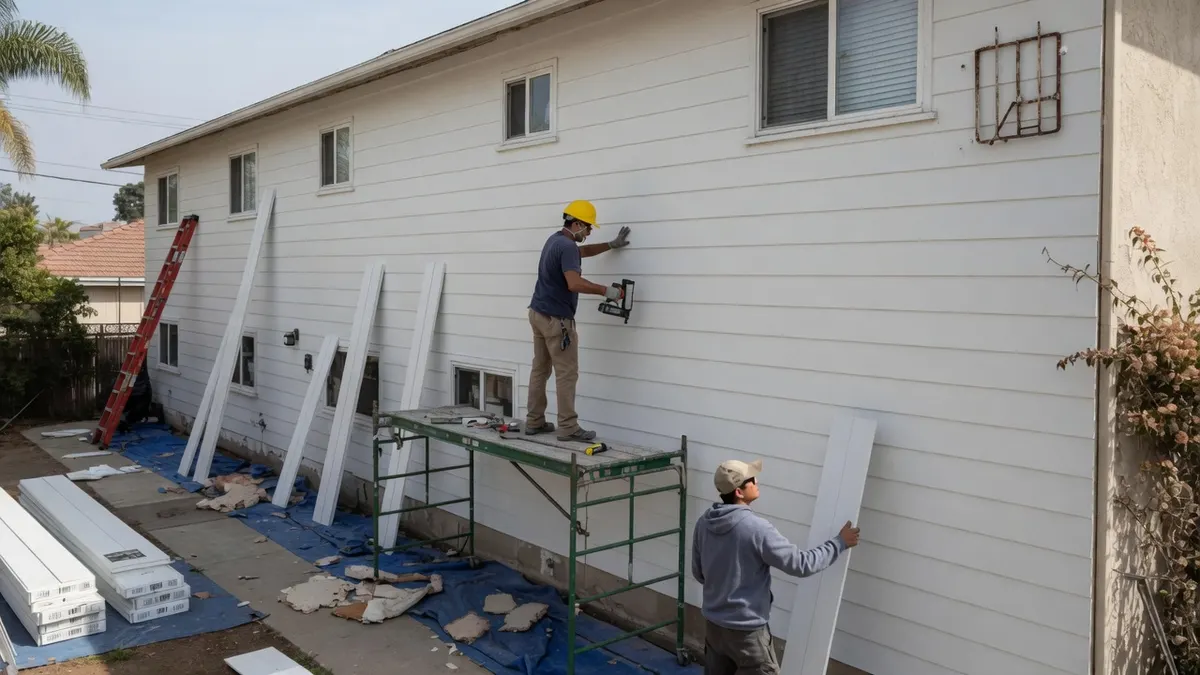
A homeowner in Land Park calls three contractors about replacing the cracked, sun-baked wood siding on a 1,900-square-foot single-story. The first quote is $18,000. The second is $31,000. The third is $24,500. Same house, same wall. That spread isn't anyone trying to rip them off it's the honest reality of siding in the Sacramento Valley, where material choice, prep work, and how much rotten sheathing hides behind the old boards can move a project by ten thousand dollars or more.
If you're trying to figure out what your own re-side should cost, here's a grounded look at the numbers, the things that swing them, and how to read three very different bids without guessing.
What Siding Replacement Actually Costs in Sacramento
These are directional 2026 ranges for the greater Sacramento area, installed (materials plus labor), including tear-off of old siding. Treat them as planning numbers, not quotes your real price depends on scope, materials, wall height, and access.
Per square foot, installed:- Vinyl: $5-$10 / sq ft
- Fiber cement (James Hardie / HardiePlank): $9-$16 / sq ft
- Engineered wood (LP SmartSide): $8-$14 / sq ft
- Natural wood (cedar, redwood lap): $9-$18 / sq ft
- Stucco (traditional 3-coat re-stucco): $9-$15 / sq ft
- Vinyl re-side: $9,000-$22,000
- Fiber cement (Hardie): $18,000-$40,000
- Engineered wood: $15,000-$32,000
- Re-stucco: $14,000-$33,000
Fiber cement dominates Sacramento for a reason: it shrugs off the valley's 100-plus-degree summers, won't feed termites, and carries a Class A fire rating that matters more every year as fire-zone insurance tightens. It's also the priciest of the mainstream options once you factor in the heavier labor and the painting most installs require.
What Drives Your Price Up (or Down)
Two houses the same size can land twenty percent apart. The usual culprits:
- Hidden rot and sheathing repair. Once the old siding comes off, water damage around windows and at the base of walls is common on older Sacramento homes. Replacing OSB or plywood sheathing adds labor and material no one can price exactly until they open the wall.
- Tear-off vs. layover. Some vinyl jobs go over existing siding; quality Hardie installs almost always require full removal and a fresh weather-resistive barrier underneath. Removal and disposal add cost but are usually the right call.
- Two stories and tight access. Scaffolding, taller ladders, and slower work raise labor. A two-story Natomas home costs more per square foot than a single-story ranch in Carmichael.
- Trim, corners, and detailing. Lots of windows, gables, and architectural trim mean more cuts, more flashing, and more hours.
- Material grade and finish. Pre-painted ("ColorPlus") Hardie costs more upfront than field-painting; premium cedar runs far above builder-grade vinyl.
- Paint and stucco color coats. Re-stucco priced "scratch and brown only" is not the same as one with a finished color coat make sure you're comparing the same finish line.
Permits and the Rules That Actually Apply Here
For most straight residential re-sides in the City of Sacramento and surrounding county, like-for-like siding replacement that doesn't touch structure often falls under maintenance, but the moment you replace sheathing, alter the weather barrier, or change wall assembly, a building permit is typically required. Stucco and any work in a fire-hazard zone draw more scrutiny. Don't take a contractor's word that "no permit needed" confirm with your local building department, because an unpermitted re-side can surface during resale.
Two California facts worth knowing cold:
- The $1,000 threshold. In California, any home improvement job where the combined labor and materials total $1,000 or more must be performed by a contractor licensed by the CSLB. The old "$500" figure you'll still see floating around online is outdated don't rely on it. Virtually every siding job clears $1,000, so your installer must be licensed.
- Verify the license yourself. Take the number from the bid and check it free at the CSLB's online license lookup. Confirm it's active, that the classification fits (a C-35 plastering license for stucco, or a B General Building / C-61 for broader siding work), and that workers' comp is on file. A legitimate Sacramento siding contractor will hand you the number without flinching.
You can compare vetted, license-verified pros on our Sacramento siding hire page, or read up on the trade itself on our siding overview.
Fiber Cement vs. Vinyl vs. Stucco: Picking for the Valley
If budget is the deciding factor, vinyl wins it's the cheapest installed and low-maintenance, though it can warp under extreme summer heat and reads as less premium at resale. Fiber cement is the Sacramento sweet spot for most homeowners: fire-rated, termite-proof, and built to handle the heat-then-cool swings that crack lesser materials, with a look that holds value. Stucco suits homes already built for it and Mediterranean-style elevations, but re-stucco is messy, slower, and prone to hairline cracking as our clay soils move. Natural wood is gorgeous and the most maintenance-hungry plan on repainting or staining every 5-7 years in this climate.
For larger remodels where siding is one piece of a bigger scope, a general contractor can fold the re-side into structural, window, and trim work under one permit and one schedule.
How to Compare Three Siding Bids Without Getting Burned
Line up the quotes and check that each one spells out the same things:
- Same material and grade (HardiePlank ColorPlus vs. field-painted is a real dollar difference).
- Tear-off and disposal included, plus a new weather-resistive barrier.
- Sheathing repair handled as an allowance, e.g. "$X per sheet beyond the first two," so rot doesn't trigger a surprise change order.
- Flashing, caulking, and paint explicitly listed.
- A written warranty both the manufacturer's and the contractor's labor warranty.
The lowest number usually means the smallest scope, not the best deal. A $24,500 bid that includes full tear-off, a new barrier, ColorPlus Hardie, and a sheathing allowance is almost always a better buy than an $18,000 layover that papers over hidden rot.
When you're ready, pull two or three written, license-checked quotes, walk the walls with each estimator, and ask every one of them how they handle sheathing surprises before they start. You can search local pros or browse what's available across Sacramento to line up those bids in an afternoon.
Who to Hire for This Project
For the work covered in this guide, these are the contractor types to contact and the CSLB classification to verify before you take quotes:
Questions to Ask Before You Sign
- "Is your CSLB license active and bonded?" Verify it yourself at cslb.ca.gov the license number must appear on their bid.
- "Who pulls the permit, and is it included in the bid?" The contractor should handle any required permits a pro who suggests skipping one is a red flag.
- "Can you itemize labor, materials, and allowances?" Itemized bids are the only way to compare quotes on the same scope.
- "What's the payment schedule?" California caps the down payment at $1,000 or 10%, whichever is less payments should track completed work.
- "Who from this area can I call as a reference?" Ask for a recent local job of similar scope, not just photos.
Sacramento Contractors for This Project
Related Articles
Frequently Asked Questions
How much does it cost to replace siding on a house in Sacramento? +
For a typical 1,500-2,200 sq ft single-story home, plan on roughly $9,000-$22,000 for vinyl, $15,000-$32,000 for engineered wood, $14,000-$33,000 for re-stucco, and $18,000-$40,000 for fiber cement (James Hardie). These are directional 2026 installed ranges including tear-off; your real price depends on materials, wall height, access, and how much hidden sheathing rot turns up once the old siding comes off.
Is vinyl siding cheaper than fiber cement (Hardie)? +
Yes vinyl is the cheapest mainstream option at about $5-$10 per square foot installed, while fiber cement runs about $9-$16 per square foot. Vinyl wins on upfront cost and low maintenance, but fiber cement is fire-rated, termite-proof, and handles Sacramento's extreme summer heat better, which is why many valley homeowners pay more for it.
Do I need a permit to replace siding in Sacramento? +
Simple like-for-like siding replacement that doesn't touch structure often falls under maintenance, but a building permit is typically required once you replace sheathing, alter the weather-resistive barrier, or change the wall assembly. Stucco work and anything in a fire-hazard zone draw extra scrutiny. Always confirm with your local City or County of Sacramento building department before work starts, since an unpermitted re-side can come back to bite you at resale.
Does my siding contractor need to be licensed in California? +
Yes. In California, any home improvement job where labor and materials total $1,000 or more must be done by a CSLB-licensed contractor the old $500 figure circulating online is outdated. Nearly every siding job clears that threshold, so verify the contractor's license number free on the CSLB website, confirm it's active, and check that the classification (such as C-35 for stucco or B/C-61) fits the work.
How much does James Hardie siding cost per square foot installed in Sacramento? +
Fiber cement like James Hardie typically runs $9-$16 per square foot installed in the Sacramento area, including tear-off. Pre-finished ColorPlus boards cost more upfront than field-painted, two-story homes and tight access push the number higher, and hidden sheathing repair can add cost no estimator can price exactly until the wall is opened.
Why do siding quotes in Sacramento vary so much? +
Most of the spread comes from scope, not price gouging. A low bid may be a layover that skips full tear-off and a new weather barrier, use field-painted instead of ColorPlus Hardie, or leave out a sheathing-repair allowance. Always compare bids on the same material grade, the same tear-off and disposal terms, and a written warranty so you're weighing apples to apples.