Sacramento Attic Insulation Fixes Before Summer Cooling Bills Spike
If the hallway thermostat says 75 but the bedrooms feel like a parked car, do not start by blaming the air conditioner.
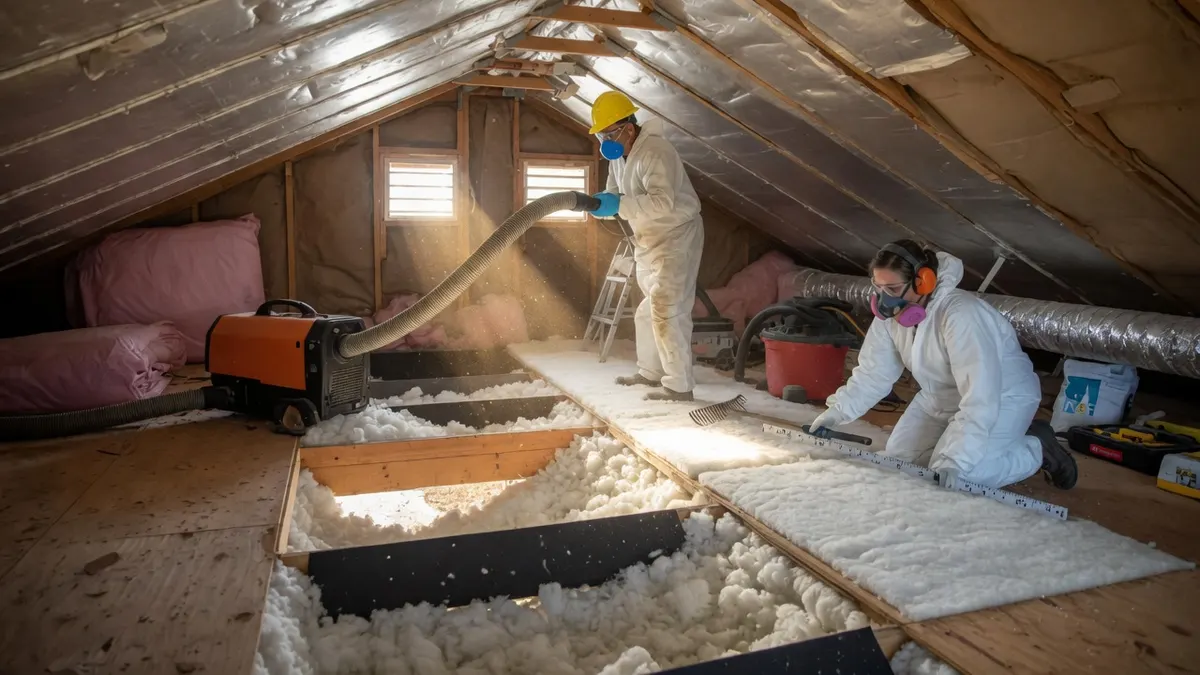
In many Sacramento homes, the attic is quietly making summer more expensive. Thin insulation, dusty gaps around lights, leaky ducts, and missing baffles let afternoon heat push straight into the rooms below.
Use this chart to compare priorities before you ask for bids. It is not a universal ranking; it is a way to focus the first contractor conversation.
Start With the Problem You Can Feel
The comfort problem usually shows up first in west-facing rooms, nurseries, home offices, and second-story bedrooms. By the time the AC runs nonstop, the fix may involve both insulation and airflow, not just a bigger unit.
The mistake is jumping straight to a product: a bigger unit, a new coating, a drain line, a filter, a battery, a replacement window. Start with the symptom and the pattern. When does it happen? Which room or area is worst? What changed recently? A contractor who listens to those details can usually price a cleaner scope.
What a Good Estimate Should Explain
A good contractor should explain the difference between adding insulation and sealing air leaks. More insulation helps, but only after the big leaks are handled.
For attic insulation and air sealing, a realistic Sacramento Valley budget is often $2,500 to $8,500. The estimate should make the assumptions visible: access, materials, permits, cleanup, warranty, exclusions, and what could change after work begins. A low number with vague scope is not a bargain yet; it is just unfinished math.
Before You Call, Do This
- Take useful photos. Wide shots show access and layout; close-ups show the symptom.
- Write down the pattern. Heat, rain, odors, noise, cracking, and electrical problems all tell a story over time.
- Gather past paperwork. Old invoices, model numbers, permits, and inspection notes can save a contractor from guessing.
- Ask for the diagnostic step. You want to know how the contractor will confirm the cause before recommending the fix.
Ask for attic photos with the estimate. You want to see insulation depth, duct condition, recessed lights, bath fan routing, and any blocked ventilation paths.
Internal Homework Before You Hire
For local context, start with our Sacramento contractor guide, compare licensed insulation contractors, and use the contractor search when you are ready to build a shortlist.
For deeper planning, read Sacramento summer prep checklist, energy-efficient home upgrades, HVAC replacement guide. Those guides help you compare costs, permits, and project timing before the first estimate lands in your inbox.
Red Flag to Watch
Be careful with bids that only quote a number of inches. The better scope says what gets sealed, what R-value is targeted, how existing insulation is handled, and whether ducts are part of the work.
The Bottom Line
The best contractor conversation is specific. Show the issue, explain what you have noticed, ask what they would inspect first, and get the scope in writing. That is how homeowners avoid surprise change orders and end up with a repair that actually solves the problem.
Who to Hire for This Project
For the work covered in this guide, these are the contractor types to contact and the CSLB classification to verify before you take quotes:
Questions to Ask Before You Sign
- "Is your CSLB license active and bonded?" Verify it yourself at cslb.ca.gov the license number must appear on their bid.
- "Who pulls the permit, and is it included in the bid?" The contractor should handle any required permits a pro who suggests skipping one is a red flag.
- "Can you itemize labor, materials, and allowances?" Itemized bids are the only way to compare quotes on the same scope.
- "What's the payment schedule?" California caps the down payment at $1,000 or 10%, whichever is less payments should track completed work.
- "Who from this area can I call as a reference?" Ask for a recent local job of similar scope, not just photos.
Sacramento Contractors for This Project
Related Articles
Sacramento Attic Insulation and Air Sealing Guide: Costs, Rebates, Ducts, Venting, and Summer Comfort
August 9, 2026
Sacramento Attic Insulation and Air Sealing Guide: Costs, Rebates, Comfort, and Contractor Questions
August 5, 2026
Arden Arcade Mini-Split Installation: Permits & Summer Cooling
July 18, 2026